


SSD
Solid state drives (SSD) are a modern alternative to standard hard disk drives. Their main advantages include higher speeds, low power consumption and increased resistance to physical influences. Today, the SSD is being promoted as the main system drive because of its dramatic influence on the improved functionallity of both applications and operating system.
Continue




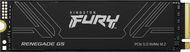
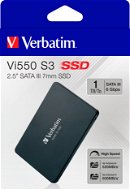
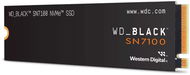

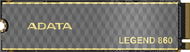





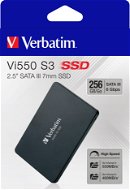


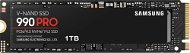
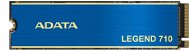
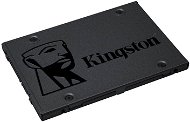
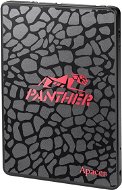
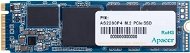
 M.2
M.2
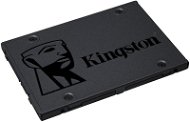
 2.5"
2.5"
 Sorted by Capacity
 For Laptops
 Server
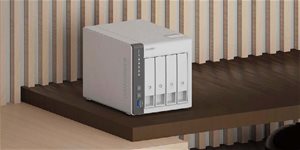
 NAS
NAS
 mSATA
mSATA
 PS5 Compatible
 SATA
SATA
 SSD
SSD
 PC Builder
 Do you want to build a customized PC?
No longer sold
SSD - articles




SSD - additional info
SSD (Solid State Drive) storage media are used as an alternative to hard drive media, especially in portable computers. They offer different ways to store data than conventional hard drives. Instead of read heads and rotating platters, SSDs use NAND flash memory. Like conventional hard drives, SSDs do not lose any data during power failure. There are also other types of solid state memory, eg. SDRAM and DRAM. However, they do not extend as far as those using flash memory.
The main advantages of SSD Drives are speed, power consumption and reliability. SSDs simply start functioning faster due to the absence of moving parts, have a higher reading speed than conventional hard drives and have an incredibly low latency (ie. seek time), which is 100 times faster. This accelerates operation - to boot the operating system and run different applications. Their power consumption and heat production is low, as they have no mechanical parts. This also relates to much higher reliability in operation. The mechanical parts in hard drives tend to wear out, and even risk destroying the drive with strong vibrations and temperatures. This does not apply to SSD Drives, meaning they are particularly suitable for portable computers. An almost insignificant disadvantage does exist as there is a limited number of write cycles for the existing types of SDDs, allowing operation over an average period of 51 years.
If you have any question about our products, services, transport or any other request, please contact our customer support.