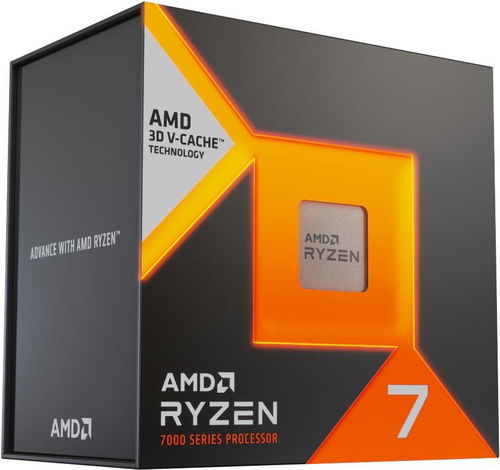
AMD Ryzen 7 7800X3D

4.9 523 ratings
CPU - 8-core, 16 threads, 4.2GHz (TDP 120W), Turboboost 5GHz, Boost 5 GHz, 96MB L3 cache, AMD Radeon Graphics 2200MHz, socket AMD AM5, Raphael
  137,990 Ft
Shop faster with pickup at AlzaBox or in-store.

AMD Ryzen 7 7800X3D

AMD-Logo

AMD Ryzen 7 7800X3D

The AMD Ryzen 7 7800X3D uses the AMD AM5 socket and modern Zen 4 architecture. It offers 8 cores and 16 threads that run at a base frequency of 4.2GHz. In Precision Boost 2 mode, it reaches frequencies of up to 5.0GHz for demanding tasks. Its main advantage is the huge 96MB L3 cache, enhanced by AMD 3D V-Cache technology to reduce latency. This stacked memory provides fast data access, resulting in higher gaming performance, especially in CPU-bound situations. The entire chip uses 5nm technology, contributing to its operational efficiency.

AMD processors

8 / 16

Cores + threads
AMD processors

up to 5GHz

Clock frequency
AMD processors

AMD AM5

Socket
AMD processors

8 / 96MB

L2/L3 cache size
AMD Ryzen 7 7800X3D processor

Key features of the AMD Ryzen 7 7800X3D processor

  • 8 cores and 16 threads
  • High frequency in boost mode
  • Large L3 cache with 3D V-Cache technology for faster data access
  • Zen 4 architecture using advanced manufacturing technology
  • Support for DDR5 RAM
  • PCIe 5.0 interface
  • AMD AM5 socket
  • Integrated AMD Radeon Graphics
AMD Ryzen 7 7800X3D processor

Gaming performance of the AMD Ryzen 7 7800X3D processor

The key feature of this processor is its stacked 96MB L3 cache, which uses AMD 3D V-Cache technology. This large cache reduces data access latency, resulting in a high frame rate when gaming, especially in CPU-limited titles. The processor efficiently handles game data without unnecessary delays.

AMD Ryzen 7 7800X3D processor

Modern platform of the AMD Ryzen 7 7800X3D processor

The processor uses the AMD AM5 socket, which forms the basis for high-performance builds with support for the latest standards. The PCIe 5.0 interface provides full throughput for graphics cards and ultra-fast NVMe SSD storage, eliminating data transfer bottlenecks. The platform works exclusively with DDR5 RAM operating in a dual-channel configuration. For simplified overclocking and memory optimisation, AMD EXPO technology is included for easy profile loading. Compatibility is ensured by the X670, B650, and A620 chipsets.

AMD Ryzen 7 7800X3D processor

Operational characteristics and integrated graphics

The AMD Ryzen 7 7800X3D processor uses advanced TSMC 5nm FinFET technology, which contributes to its operational characteristics. Its thermal design power (TDP) is 120W. To maintain stable high frequencies under load and to dissipate heat from the stacked cache, the manufacturer recommends using a high-performance liquid cooling system. The chip also includes integrated AMD Radeon Graphics with two cores and a frequency of 2200MHz, which can handle basic display output and video acceleration without needing a dedicated graphics card.

Technical specification

  • Series: AMD Ryzen 7
  • Max. operating temperature: 89°C
  • Special features: Integrated GPU
  • Integrated graphics chip: AMD Radeon Graphics
AMD processors

Processor cores and threads

Processor cores act, to some extent, as separate processors and can handle computational tasks independently. This means that the more physical cores a processor has, the more tasks it can process simultaneously. Threads can be described as separate virtual cores, which all modern processors have. An eight-core processor typically has sixteen threads, enabling it to process sixteen processes at the same time.
AMD processors

Processor frequency

Operating frequency indicates the speed of the processor. Generally, a processor with a higher frequency can execute instructions faster than one with a lower frequency. A higher frequency ensures snappier and faster responses in everyday computer use, such as launching applications, browsing the internet, or editing documents. It ranges from 1 to 5GHz. Some CPUs can temporarily increase their frequency under heavy load (Turbo Boost).
AMD processors

L2 and L3 cache

For a processor to work as fast as possible, it needs high-speed storage for temporary data. This is what the on-chip L2 and L3 cache is for. Although these memory stores are significantly smaller than RAM, they are also faster. The L2 and L3 are the first storage areas the processor interacts with, and generally, the bigger the better.
AMD processors

Processor socket

Before choosing a new processor, you need to know which hardware connector (socket) your motherboard uses. The processor and motherboard must have the same socket designation; this is the first step to a functional build. Another important factor is the type of operating memory. You should know which type of RAM you have.
AMD processors

TDP (Thermal Design Power)

TDP (Thermal Design Power) is a processor parameter that indicates the amount of heat it produces under maximum load, while also suggesting its energy consumption. A lower TDP means the processor consumes less power and generates less heat, which is ideal for laptops or energy-efficient systems. Conversely, processors with a high TDP offer greater performance but require advanced cooling to prevent overheating.
AMD processors

Processor cooling

A processor, much like a graphics card, generates heat during operation that needs to be dissipated to keep it cool. Some chip packages already include a cooler, but if you want to be certain you can adequately cool your processor's performance, you should get an external one. External processor coolers come in various sizes and performance levels, and many support stylish RGB backlighting. You can get a classic air-cooled version or a modern liquid-cooled one.

Specifications

Compare
Processor series
AMD Ryzen 7
Socket
AMD AM5
Model designation
AMD Ryzen 7 7800X3D
Microarchitecture
Zen 4
Processor code name
Raphael

Series

Processor series
AMD Ryzen 7
Socket
AMD AM5
Model designation
AMD Ryzen 7 7800X3D
Microarchitecture
Zen 4
Processor code name
Raphael

Number of cores

Number of processor cores
8 ×
Number of threads
16 ×

Frequency

Processor frequency
4.2 GHz (4.2 GHz)
Max. frequency (OC)
5 GHz (5,000 MHz)

RAM support

Supported memory type
DDR5
Maximum number of channels
2 ×

Performance

Performance
High
CPU Passmark
34,232

Integrated graphics card

Integrated graphics card type
AMD Radeon Graphics
Frequency
2,200 MHz

Advanced parameters

Features
Integrated GPU
TDP
120 W
Production technology
5 nm
L2 cache
8 MB
L3 cache
96 MB

Compatibility

Compatible processor generation
7th generation Ryzen
More Specifications

AMD Logic Drive, Bianconi Avenue, Citywest, Dublin, D24 T683, Ireland [email protected]

Note:

This product is not an independently functional unit and may require professional installation.

Specifications can be changed without notice. Images are for illustrative purposes only.

Üdv! Lesz még elérhető ez a proci, vagy már csak a következő?
Questions and answers: AMD Ryzen 7 7800X3D
More Information

A két legelterjedtebb processzorarchitektúra: az x86 és az ARM

Ma a világot két meghatározó processzorarchitektúra-család uralja, amelyek nemcsak utasításkészletükben és tervezési filozófiájukban különböznek, hanem alkalmazási területükben is. Emellett számos más architektúra létezik: egyesek kísérleti jellegűek, míg mások a mikrokontrollerekben élnek tovább, mert beváltak és az adott feladatkörükben még mindig hasznosak.

A processzorarchitektúrák jövője: Gyors fejlődés, előre nem ismert hatások

Teljesítmény szempontjából a RISC-V processzorok jelenleg nem vetekedhetnek a modern x86 és ARM architektúrákkal, és valószínűsíthető, hogy még évekig nem jelentenek komoly konkurenciát. Jelenleg a legolcsóbb Intel és AMD processzorok is elképesztő teljesítményt nyújtanak, miközben az áruk is észszerű – az Apple Silicon fejlett processzorai pedig a Macbookokban kínálnak páratlan teljesítményt alacsony fogyasztás és hosszú üzemidő mellett.

A RISC-V a gyakorlatban: a fejlesztői készletektől az első kereskedelmi számítógépekig

A RISC-V még nem kínál olyan processzorokat, amelyek versenyképesek lennének az ARM‑mal, és pláne nem az x86 architektúrájú processzorokkal szemben. Jelenleg inkább kísérleti prototípusok, fejlesztői verziók és alkalmazásfejlesztői rendszerek (devkit-ek) érhetők el. A legtöbb processzor teljesítménye inkább a régi Core2 Duo szintjével összehasonlítható, ami ma már nagyon elavultnak számít. Ha tehát a mindennapi használatra alkalmas gépet keresel, a jelenlegi RISC-V rendszerek még nem megfelelőek.

A RISC-V okos felépítése

A RISC-V eleganciája nem csupán abban rejlik, hogy nyílt architektúrájú, hanem abban is, hogy már a kezdetektől moduláris felépítéssel tervezték. Míg az x86 több mint ezer utasítást, az ARM több százat tartalmaz, a RISC-V alapverziója mindössze 40 utasítást foglal magában, ha pedig a gyártó többre vágyik, utasításkiegészítéseket (extensions) alkalmazhat.

A tajvani digitális pajzs, avagy miért fontos a RISC-V Kína számára

Tajvan, régi nevén Formosa, és Kína jelenleg nagyon feszült kapcsolatban állnak egymással. A helyzetet tovább bonyolítja a közös, kaotikus történelmük, amely számos politikai és gazdasági feszültség forrása.

Miért született meg a RISC-V?

Abban a helyzetben, amikor a legelterjedtebb processzorarchitektúrákat gyakorlatilag három vállalat ellenőrzi – és mindegyikük bizonyos mértékben ki van téve a Nyugat esetleges korlátozásainak – a Berkeley Egyetem akadémikusai elkezdtek azon a kérdésen gondolkodni, hogy lehetséges lenne-e a nyílt architektúra (Open Architecture) irányába elindulni.

Mik azok a processzorarchitektúrák?

Jön a harmadik nagy forradalom a processzorok világában! A jól ismert x86 és ARM architektúrák mellett érkezik a RISC-V, a fiatal kihívó, ami alapjaiban formálhatja át a számítógépek jövőjét. Tudd meg, miért olyan vonzó ez a nyílt és ingyenes architektúra a hardvergyártók számára, és miért fektet Kína milliárdokat a fejlesztésébe. Tekints be egy olyan világba, ahol a számítástechnika történetének új fejezete íródik.

Mikrokontrollerek – az IT-világ láthatatlan építőkövei

A RISC-V kifejezetten mikrokontrollerekhez lett tervezve – ezek apró számítógépek, amelyeket egyetlen chipbe integrálnak, gyakran SoC-ként (System-on-a-Chip) is emlegetik őket. Elképesztően nagy mennyiségben gyártják őket: míg 2015-ben 22 milliárd mikrokontrollert állítottak elő, 2021-re már 31 milliárdnál tartott a számuk. Gyakorlatilag ez azt jelenti, hogy évente majdnem négy mikrokontroller jut minden egyes emberre a Földön!

Mit jelent a RISC-V „nyílt” architektúrája?

Sokak számára félreérthető, mit is jelent valójában a nyílt architektúra, és hogy ha a nyílt RISC-V specifikációk alapján saját processzort tervezel, vajon azt bárki gyárthatja-e. A válasz egyértelmű: nem. A nyílt specifikáció azt jelenti, hogy van egy pontos leírás arról, mit kell teljesítenie a processzorodnak, hogy RISC-V kompatibilisnek lehessen nevezni, és ezt a specifikációt engedély vagy díj fizetése nélkül szabadon használhatod.

Miért keletkezik hő a számítógépekben?

A meleget leginkább a nyári hónapokban szeretjük, de télen sem utasítjuk vissza a lehetőséget, hogy felmelegedjünk a kályha mellett. Ha elektromos fűtőberendezésről van szó, ez azon kevés esetek egyike, amikor kifejezetten a lehető legnagyobb hőveszteségre törekszünk. Minden más esetben viszont zavar minket az elektromos eszközök által termelt hő. Milyen jelenségek – a jól ismert elektromos ellenálláson kívül – okozzák még a számítógépek melegedését? Kiderül Michal Rybka cikkéből.
Reviews AMD Ryzen 7 7800X3D
Accessories for AMD Ryzen 7 7800X3D